Physical Address
304 North Cardinal St.
Dorchester Center, MA 02124
Physical Address
304 North Cardinal St.
Dorchester Center, MA 02124

We are Trend!
We are Trend!
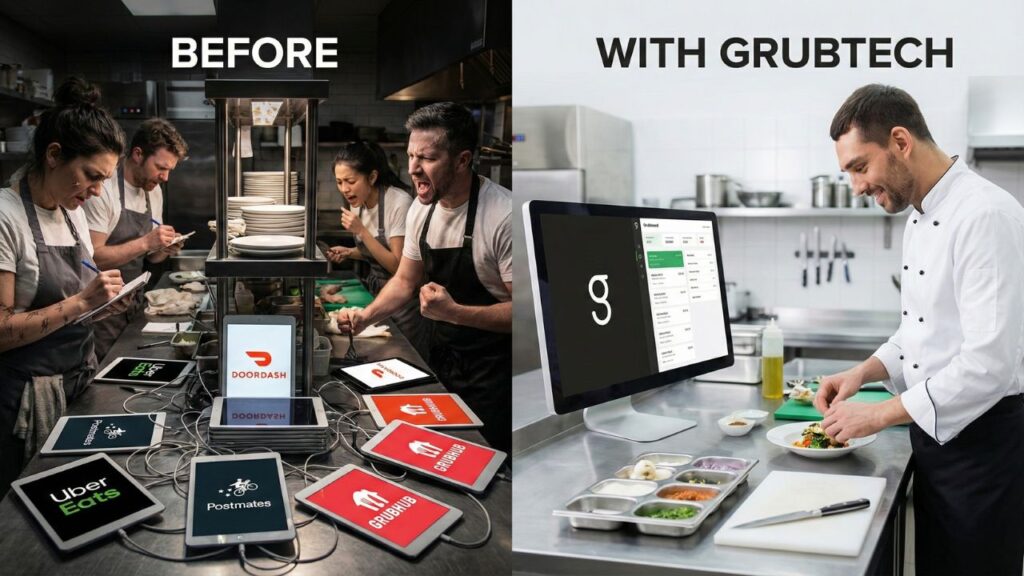
Imagine standing in a busy restaurant kitchen on a Friday night. It is chaotic. On the counter, there is a “Tower of Tablets”—one for UberEats, one for DoorDash, one for Deliveroo, and maybe another for a local delivery service. They are all ringing at the same time. The staff is rushing to manually type orders from these tablets into the main register. Mistakes happen. Fries are forgotten. Drivers are waiting. This nightmare has a name in the industry: “Tablet Hell.”
For years, this chaotic “Tablet Hell” was the only way to manage online food delivery. But a new solution is trending globally, and it promises to silence the noise.
Enter Grubtech.
Grubtech is what tech experts call a “Unified Commerce Platform.” In simple English, it is an operating system that connects everything—your food delivery apps, your Point of Sale (POS), and your kitchen operations—into one single dashboard. Instead of juggling five tablets, you use one screen.
Why is Grubtech Trending Now? This isn’t just a small software update; it is big business news. Grubtech recently made headlines by raising $15 Million in Series B funding, led by the major food delivery group Jahez. With this fresh capital, they are aggressively expanding beyond the Middle East into new “premium” markets like the UK and Europe. Investors and restaurant chains are watching closely because Grubtech is solving the biggest pain point in the booming Cloud Kitchen and Food Tech industry.
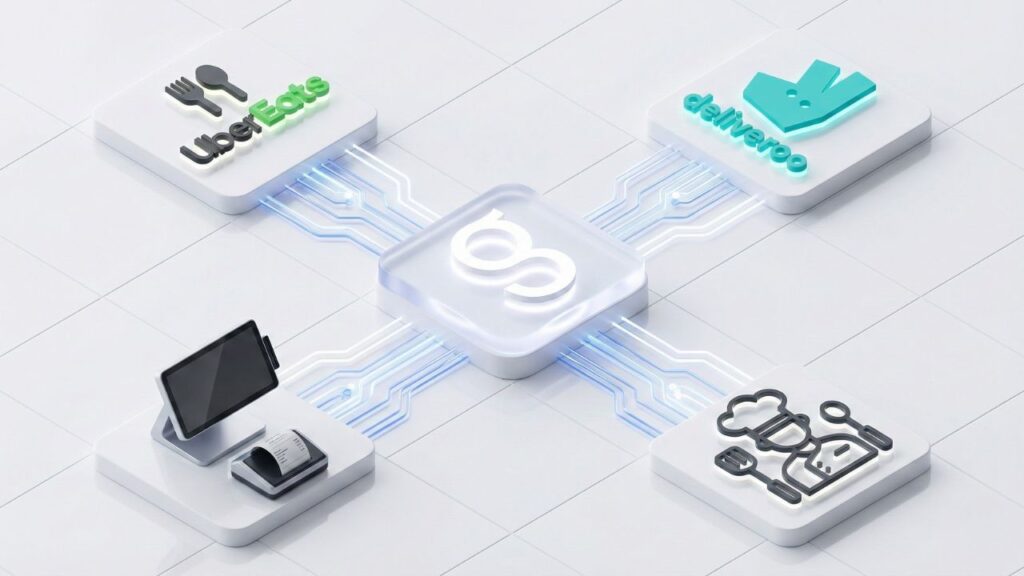
Grubtech acts as a digital bridge. It sits between the hungry customer ordering on an app and the chef cooking in the kitchen. Here is the breakdown of its technology without the confusing jargon:
The flagship feature of Grubtech is gOnline. Think of this as the “Mission Control” for a restaurant.
For restaurant chains in the US or UK with multiple locations, updating a menu is a headache. You usually have to log into every delivery portal separately to change a price or remove an item.
This is where the magic happens for the chefs. The gKitchen (or Kitchen Display System) replaces paper tickets with smart screens.
Why are big brands switching to this system? It comes down to three ROI (Return on Investment) factors:
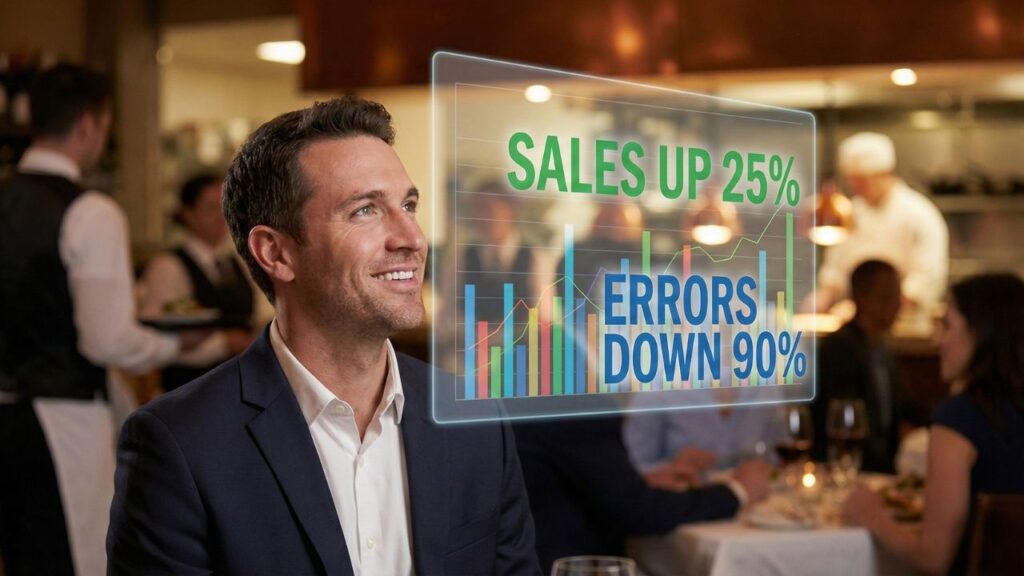
1. Speed & Efficiency In the food delivery game, every second counts. Grubtech claims to reduce order processing time significantly. Because orders are processed automatically in seconds rather than minutes, drivers can pick up food faster, and customers get their meals sooner. This speed boosts a restaurant’s ranking on delivery apps.
2. Error Reduction Human error is expensive. If a staff member mistypes an order, the restaurant has to refund the customer and pay for the wasted food. By automating the flow from the delivery app to the kitchen, Grubtech eliminates these “fat finger” mistakes. Accurate orders lead to better reviews and higher star ratings.
3. Data Analytics (gData) Data is the new oil. In the past, a restaurant owner had to download five different spreadsheets from five different apps to see how much they sold.
Grubtech isn’t just for big corporations; it is built for three specific types of modern food businesses that are dominating the US and UK markets in 2026.
If you run a “Dark Kitchen” or “Ghost Kitchen”—a space that cooks for delivery only with no dine-in area—Grubtech is essential.
For franchises with 5, 50, or 500 locations (like a growing pizza chain in London or a coffee franchise in New York).
This is a massive trend in the UK (with apps like Getir or Gopuff).
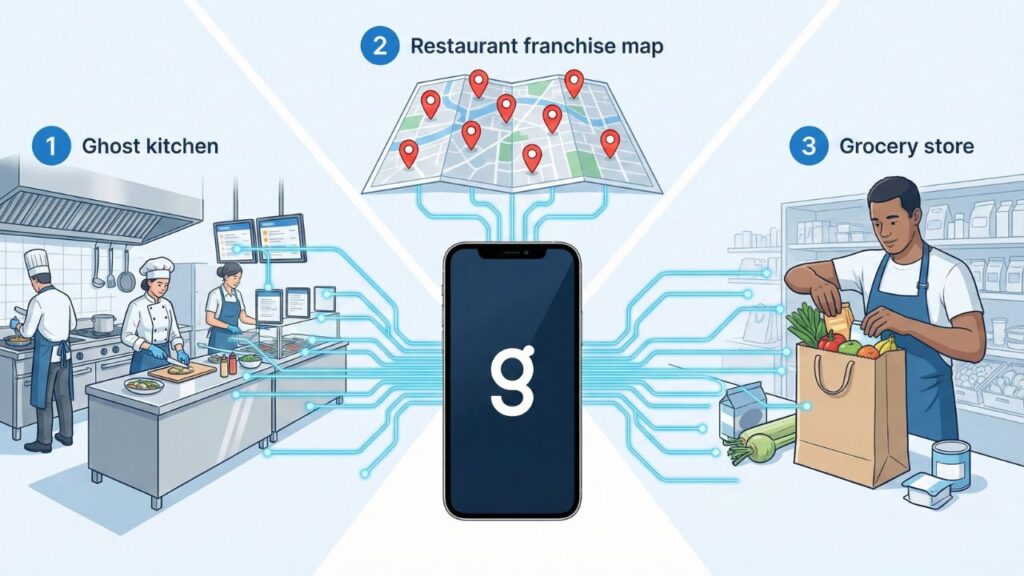
Grubtech is currently one of the hottest topics in “FoodTech” investment. Here is why Silicon Valley and London investors are paying attention.
Grubtech is no longer just a Middle Eastern startup. After raising $15 Million in Series B funding (led by the Jahez Group), they have officially expanded into the UK and Europe. They have opened offices in places like Barcelona, signaling they are ready to compete with major Western tech firms.
A software is only as good as the tools it connects with. Grubtech has secured “certified integrations” with the biggest names in the US/UK market.
Grubtech operates on a SaaS (Software as a Service) model. This is the Netflix model for business software. Restaurants pay a monthly subscription rather than buying expensive servers. This makes it affordable for small businesses while remaining scalable for huge enterprises.
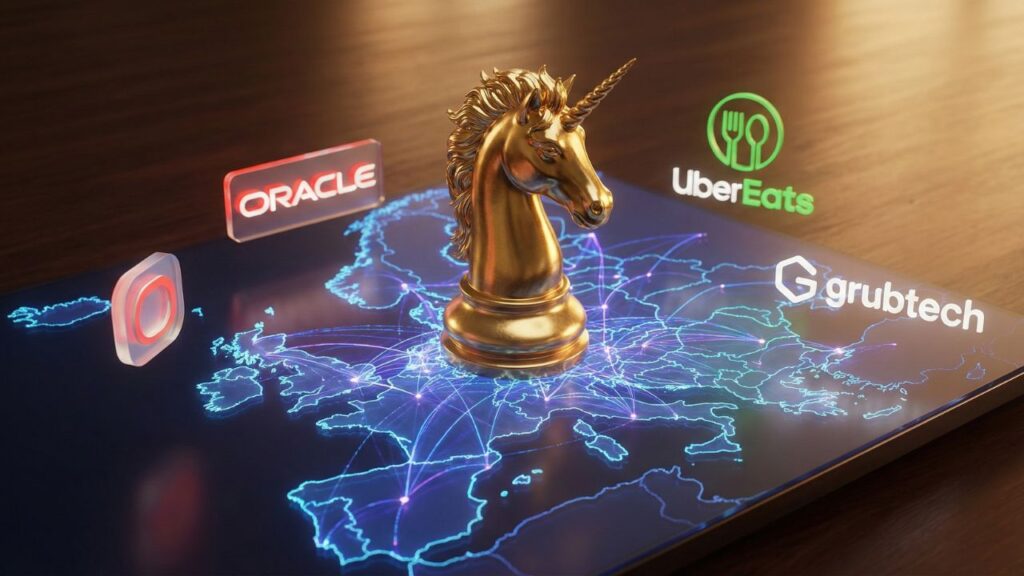
The next frontier for Grubtech is Artificial Intelligence (AI). They are currently rolling out features that use data to predict the future.
Summary: The restaurant industry is changing. The days of shouting orders and juggling messy tablets are over. Grubtech has emerged as the leading “Unified Commerce Platform” that brings order to the chaos of modern food delivery. By centralizing operations, menus, and data into one “gOnline” dashboard, it is helping businesses cook faster and earn more.
Final Thought: For restaurant owners in the US and UK, technology is no longer a luxury—it is a survival tool. As the demand for delivery continues to rise, platforms like Grubtech are becoming the standard operating system for the entire food industry.
Are you ready to digitize your restaurant? Keep an eye on Grubtech as they roll out new AI features this year—this might just be the tool that saves your kitchen time and money.